The best time to visit Sardinia is a question with a more honest answer than most guides give you. The island changes dramatically between seasons — same beaches, same mountains, same ancient villages,
entirely different experience. The month that’s right for one traveller is wrong for another.
We’ve been running private tours in Sardinia for over twenty years. We’ve been there in February when the Mamuthones process through Mamoiada in the cold, and in August when fifty boats anchor off the same cove before noon. Here is an honest account of what each season actually delivers — so you can decide which one you’re looking for.
The short answer
- September — warmest sea, fewer people, best light. Our first recommendation.
- April–May — wildflowers, wellness, empty roads, archaeology and hiking.
- June–July–August — the full Mediterranean social season, yachts and beach life.
- October–November — Sardinia almost entirely to yourself.
- December — festive markets, Christmas lights, and a mild, family season.
- February — culture, gastronomy, and extraordinary festivals.
If you want to know why — and you should, because the detail matters — read on.
Sardinia in Spring: April and May
April in Sardinia is a different island from the one in the photographs. The hills are green — genuinely green, not the bleached pale yellow they become by July. Wild cistus, asphodel, and sea squill cover the macchia. The sea is cold, around 16–17°C, which rules out swimming for most people but opens up everything else: rural villages explored at their own pace, hiking the Gallura rocky coasts or the Supramonte gorges, cycling the Ogliastra coast roads or the Coral Riviera, visiting the nuraghi without another tourist in sight.
May is the sweet spot for anyone whose trip isn’t primarily about the beach. Temperatures reach the low-to-mid twenties. The hotels and restaurants are open and unhurried. The roads are clear. You can park in Porto Cervo — in May, this is genuinely possible.
It is also the season we build our wellness trips around: long coastal walks, sea air, the island’s thermal springs, and the slow, plant-based Blue Zone cooking that Sardinia’s centenarians have eaten for generations. Spring is when the island is most naturally restorative — before the heat and the crowds arrive.
By late May, the sea has warmed to around 20°C. Swimmable, comfortable, without the crowds that arrive in June. It is, for the right traveller, the closest thing to a perfect month that Sardinia offers.
Spring books faster than you’d expect among people who have worked this out. If May is on the table, don’t leave the conversation too late.
Best for: culture, genuine wine and food, wellness, hiking, archaeology, cycling, photography, and repeat visitors who want something quieter than the summer version.
Sardinia in June: The Last Quiet Month
June is the last month in which Sardinia still belongs partly to itself. The beach season has started, the weather is reliably warm and sunny, and the sea has reached 22–24°C. Crowds exist but haven’t peaked. The famous beaches — La Pelosa, Cala Goloritzè, Tuerredda, the Maddalena archipelago — are busy on weekends, quieter mid-week.
Early June is when Sardinians take their own holidays on the island — before the mainland Italians arrive in force and before the international visitors who book August. If you see a Sardinian eating lunch at a beach restaurant on a Tuesday in early June, you are in exactly the right place at exactly the right time.
Best for: first-time visitors, families with flexible schedules, and beach holidays with room to breathe.
Sardinia in July and August: High Season, High Everything
Let’s be honest: July and especially August are extraordinary and crowded. Sardinia receives the bulk of its annual visitors in these two months. The Costa Smeralda fills with superyachts, the beaches fill with everyone else, and the roads between the north’s main towns fill with rental cars moving at the speed of mild frustration.
None of this makes August bad. It makes it specific. If you want the full performance of Sardinia in season — the Piazzetta in Porto Cervo, the beach clubs, the energy of a Mediterranean summer at its most extravagant — August is the correct answer. The sea reaches 26–28°C. The evenings are long and warm. The social scene along the Emerald Coast is genuinely exceptional for those who want it.
What August is not suited for is discovery. The coves that require a hike are less crowded than the accessible beaches, but they are not empty. The best restaurants require reservations made weeks in advance. The feeling of having found something — which is, for many of our clients, a significant part of what they are paying for — is difficult to manufacture when half of northern Europe has found the same thing first.
If August is the only time you can travel, we plan around it. Earlier mornings, further-afield destinations, itineraries that use the crowd patterns rather than fighting them. It is not the optimal month. It still works.
Best for: the full social Mediterranean summer, beach clubs and nightlife, large groups, and families with fixed school holidays.
Sardinia in September: Our Honest Recommendation
September is the month we recommend most consistently, and for reasons that go beyond avoiding crowds — though that is a genuine benefit.
The sea in September is at its warmest. Counter-intuitive but true: the Mediterranean spends the entire summer heating and reaches its peak temperature — around 26–27°C — in late August and September. The air cools to a more comfortable 24–26°C during the day. The light changes too: lower in the sky, warmer in tone, the kind that appears in paintings of the island and is genuinely difficult to describe to someone who hasn’t experienced it.
The sea in September is warmer than July. Most visitors to Sardinia don’t know this. Now you do.
The beaches empty. Not dramatically — Sardinia remains an active destination in September — but the ratio shifts from sharing to having. On beaches that require a boat or a walk to reach, you can find significant stretches to yourself, especially mid-week. It is also the finest month of the year for yacht charters and private boat trips: the sea is calm, the summer heat has softened, and the coves you drop anchor in are no longer shared with the August fleet.
The restaurants have time for you again. The waiter who was managing crowd control in August can sit down, tell you what’s good today, pour the Cannonau from a cousin’s vineyard in the Barbagia, and not be needed elsewhere while you’re still at the table.
September is when we take our own families to Sardinia. That should tell you something.
Best for: anyone who wants the best version of the summer experience with room to actually experience it, plus the calmest seas for sailing. Our first recommendation to most clients.
Sardinia in October: For People Who Have Been Before
October is for travellers who prefer their own company to a crowd’s. The sea stays warm enough to swim through mid-October — around 22–24°C. The weather is warm and occasionally dramatic: the first autumn storms arrive, usually brief, after which the air carries wet granite and wild herbs and the afternoon light does things that summer never manages.
Most beach infrastructure has closed. The tourist-facing restaurants have locked for the season. What remains are the places locals eat, roads without traffic, and the island in something close to its natural state.
The hiking season properly begins in October. The Gallura mountains, the Supramonte trails, the coastal paths of the Ogliastra, the Gennargentu plateau — all of them more beautiful in cooler autumn air than in the heat of July, and entirely free of summer crowds.
Best for: experienced travellers, food and wine lovers, cultural seekers, repeat visitors, hikers, and anyone who specifically wants to be somewhere that isn’t performing for visitors.
Winter in Sardinia: November to March
Sardinia in winter is not a beach holiday. It is something else: cultural, gastronomic, and beautiful in ways no summer photograph prepares you for.
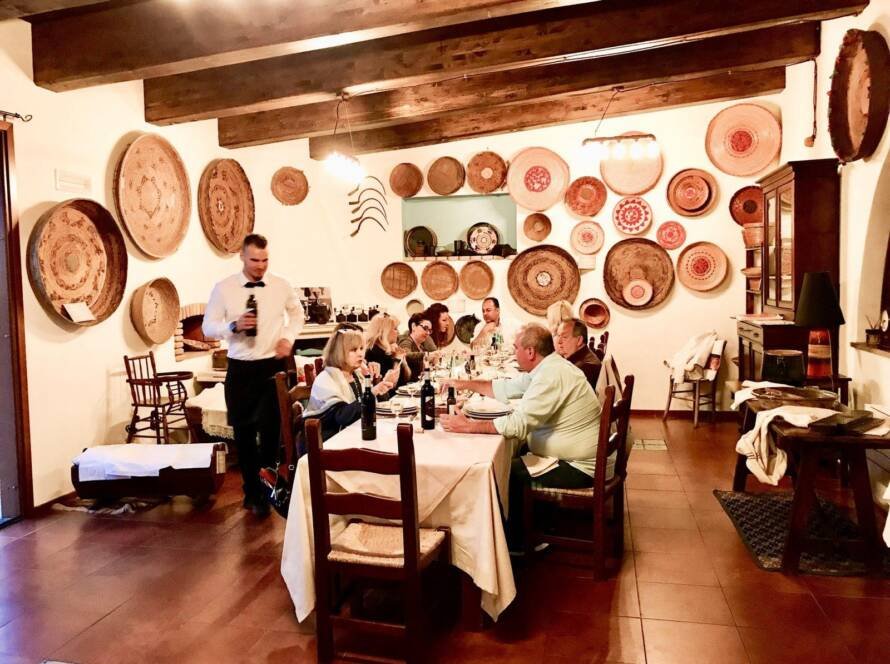
The Barbagia villages open for Cortes Apertas — private homes, farms, and artisan workshops invite visitors in to see traditional crafts, taste local food and wine, and experience village life as it actually functions, not as it performs for tourism.
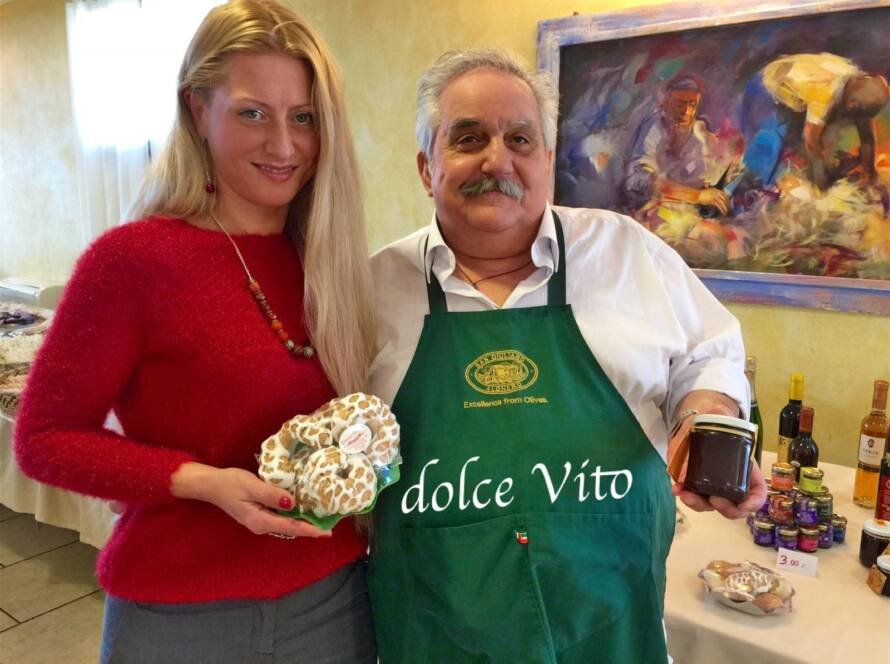
December has its own quiet magic. The old centres of Cagliari, Alghero and Bosa string themselves with lights, the markets fill with festive sweets like papassini, roasted almonds and seasonal citrus, and nativity scenes appear in churches and piazzas across the island. The weather is mild, the restaurants are full of Sardinians rather than visitors, and the whole island leans into a season of family, food and tradition. It is one of the warmest times to visit in spirit, if not in temperature.
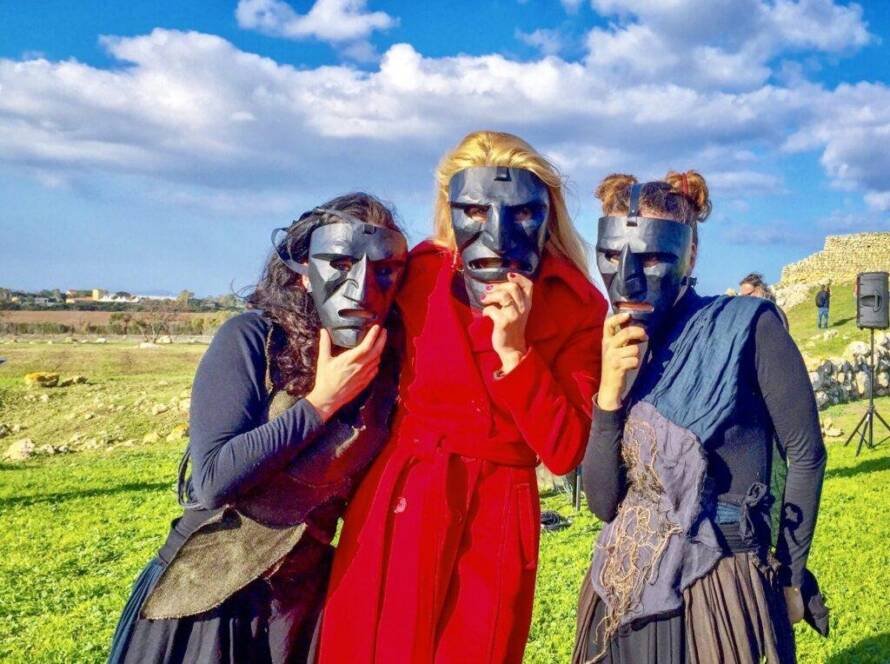
In February, in a village most GPS systems refuse to acknowledge, something happens that predates Rome. The Mamuthones of Mamoiada — men in black sheepskin coats carrying thirty kilograms of bronze cowbells — process through the streets in a rhythm that nobody has fully explained, because nobody living knows the original meaning. Standing in the cold watching them pass two metres from your face is not like attending a festival. It is like being inside something ancient that has simply continued.
Sardinia’s Carnevale in Mamoiada is one of the most extraordinary traditional events in Italy. Most visitors to the island have never heard of it.
The food in winter is different too, and quieter in the best sense. This is the season of slow-cooked legumes, fregola with wild mushrooms, minestrone thick with the season’s vegetables, pane carasau still warm from the oven and the king of Sardinian winter plants and local tables—spiny artichoke. We build our winter food experiences around exactly that: traditional Sardinian dishes in their plant-based forms, paired with Cannonau from a cousin’s vineyard and eaten slowly beside a fire. Sardinia’s culinary identity is most visible when the beach crowds are gone.
Practically: flights cost significantly less. Accommodation rates drop. The island’s most interesting people are there rather than elsewhere for the season.
Best for: cultural trips, festive December breaks, traditional gastronomy, Carnevale, significant cost savings, and anyone who wants the version of Sardinia the summer hides.
The Right Time for Your Trip
| What you’re looking for | Best time | Sea temperature |
|---|---|---|
| Wildflowers, wellness, archaeology | March-April–May | 16–20°C |
| Beach season with room to breathe | June or September | 22–27°C |
| Full social season, yachts & beach clubs | July–August | 24–28°C |
| Warmest sea, best light, sailing | September | 26–27°C |
| Hiking, nature, complete quiet | October | 22–24°C |
| Festive markets & family season | December | Not the point |
| Culture, gastronomy, Carnevale | January–February | Not the point |
One More Thing
The best time to visit Sardinia also depends on where you go and how you travel. The island is large — driving north to south takes around four, even five hours — and different regions behave differently in each season. The Costa Smeralda is almost entirely a summer destination. The Barbagia is more itself in winter. The Coral Riviera is extraordinary in spring and autumn in ways that July crowds make difficult to access.
We build itineraries around the season rather than despite it. The month you travel shapes what we show you and where we take you. Sardinia in May is not a compromise version of Sardinia in August — it is a different island, and both are worth knowing.
So if a month is already forming in your mind, start there. Tell us when you’re thinking of coming and we’ll tell you honestly what the island is like then — what’s worth your time, what to leave for another trip, and how we’d shape the days around it.
That is how almost every trip we run begins. Not with a package or a brochure, but with a single question about timing — and a conversation that goes from there.
Plan Your Sardinia
Tell us when. We’ll handle where.
Bespoke private tours across Sardinia and Corsica, built around the season you travel and the things you actually care about. No fixed packages — just a conversation, then a trip designed around you.
Start Planning Your Tripor speak with us directly — +39 389 9293493 · vip@vipsardinia.com