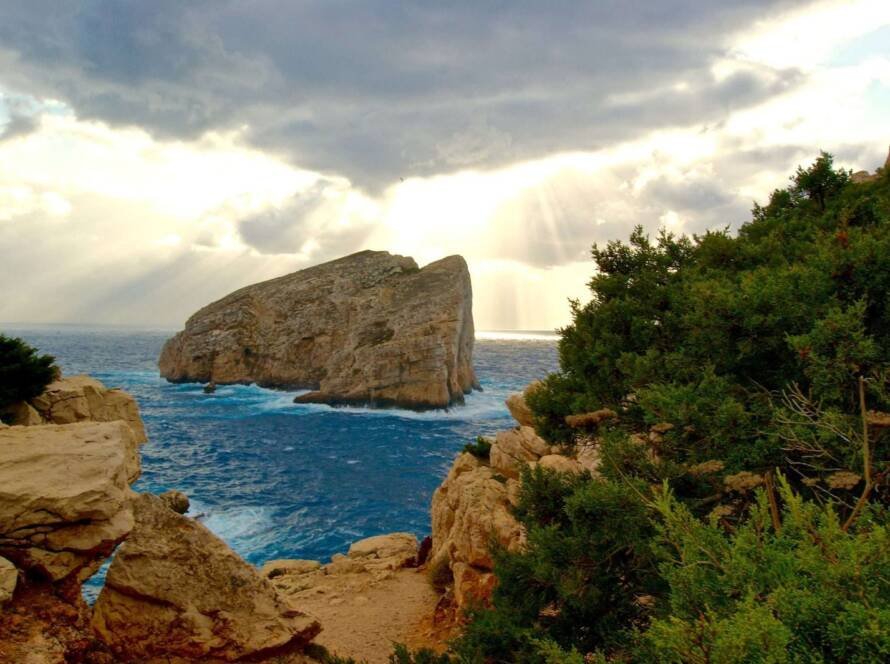
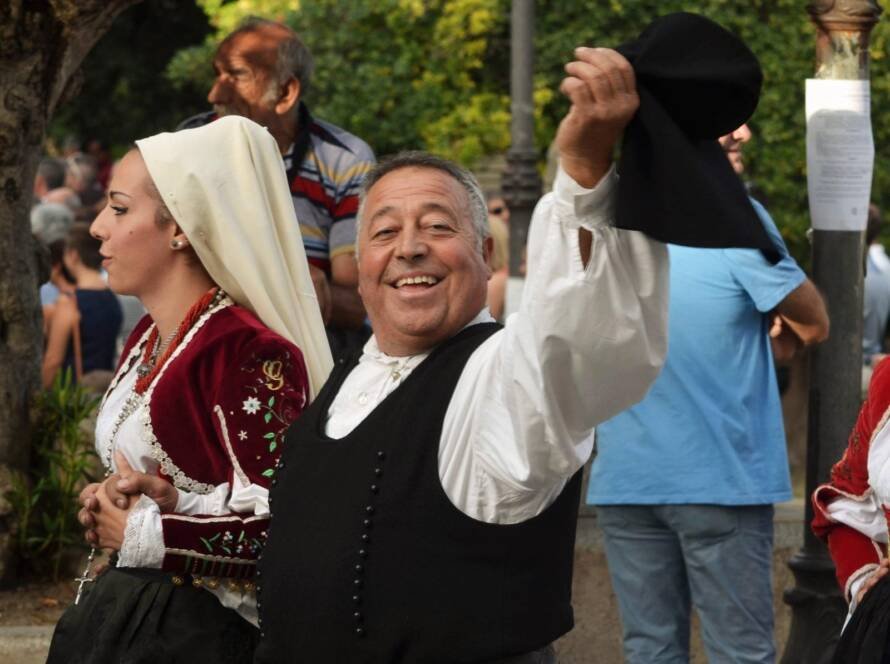
What is Sardinia famous for? Most people picture the turquoise sea, the Costa Smeralda and yachts at anchor. Those are real attractions, but they explain surprisingly little about the island.
A short drive from the fashionable northeast coast brings you to prehistoric stone towers, vineyards among granite hills and villages where traditions remain part of everyday life. Sardinia is also much larger than many first-time visitors imagine. Choosing where to spend your time matters.
After more than twenty years organising private journeys here, these are the experiences I believe deserve attention—and the decisions that make the difference between a beautiful holiday and a genuinely memorable one.
1. The sea is extraordinary. But which coast should you choose?
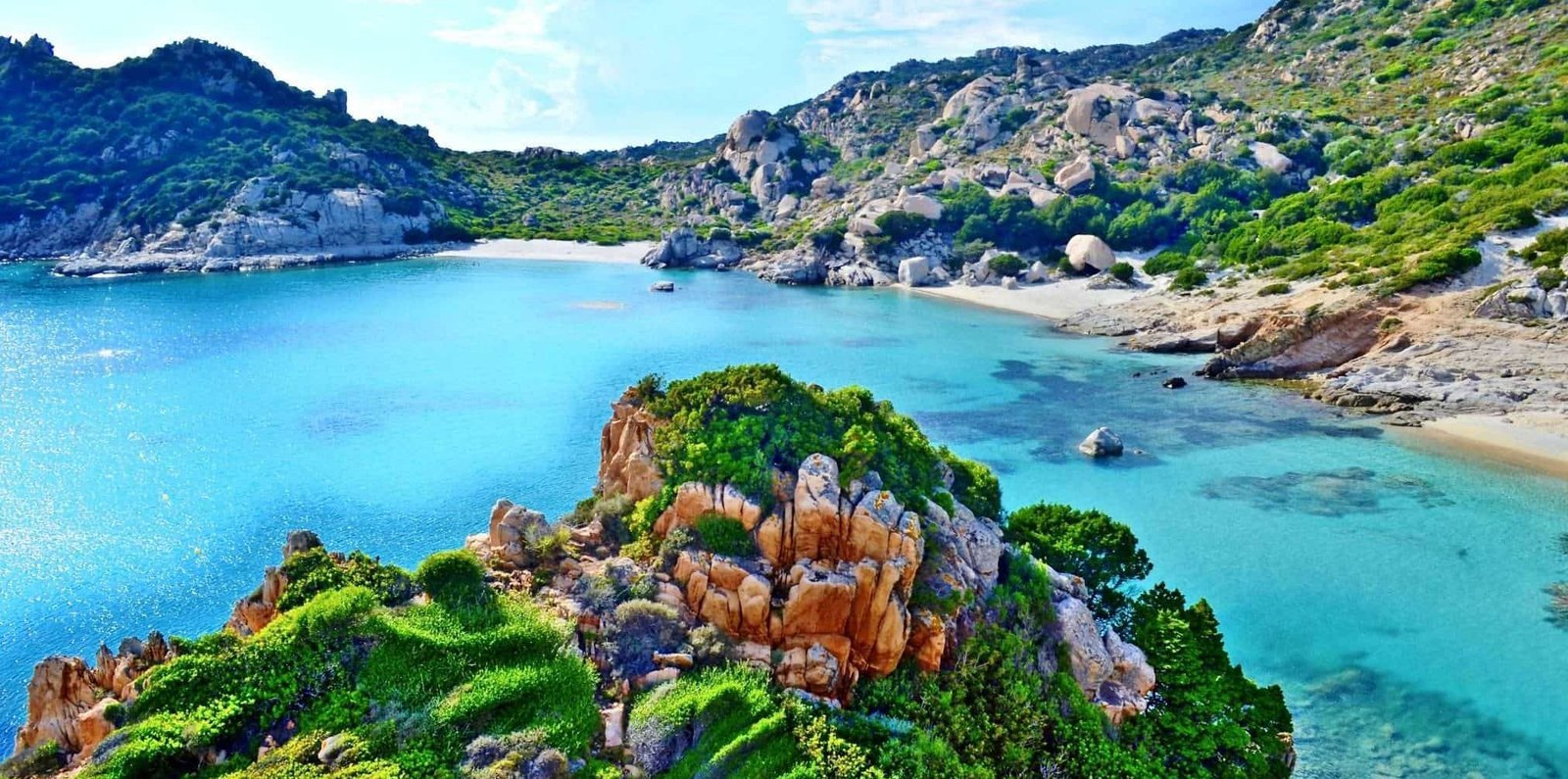
Sardinia’s beaches are famous for good reason, yet the coastline changes dramatically from one region to another. In the northeast, the Costa Smeralda has granite headlands, small coves and clear water. The La Maddalena Archipelago is best appreciated from the sea, with time to swim and move between its islands. On the eastern coast, the Gulf of Orosei offers a completely different landscape of limestone cliffs and remote coves. Around Chia and Villasimius in the south, broad sandy beaches and lagoons create another kind of holiday.
My advice: For a first visit combining excellent hotels, boating, archaeology and wine, I generally suggest northern Sardinia. Choose the Gulf of Orosei if dramatic scenery and hiking are priorities; choose the south for long beaches and a more relaxed coastal itinerary. Trying to cover all three in a week means spending too much time in the car.
2. Costa Smeralda: the story behind the glamour
Porto Cervo’s yachts and boutiques are only part of the story. The Costa Smeralda developed from the 1960s under the initiative of Prince Karim Aga Khan IV, with architecture designed around the landscape and Mediterranean materials. Look beyond the harbour: the church of Stella Maris, the village’s winding passages and the relationship between buildings and granite hills make it worth exploring.
My advice: Pair a morning on the coast with an afternoon inland in Gallura. The transition from polished seaside villages to vineyards, cork oaks and traditional stone farmhouses is one of the most revealing contrasts in Sardinia.
3. A civilisation older than Rome
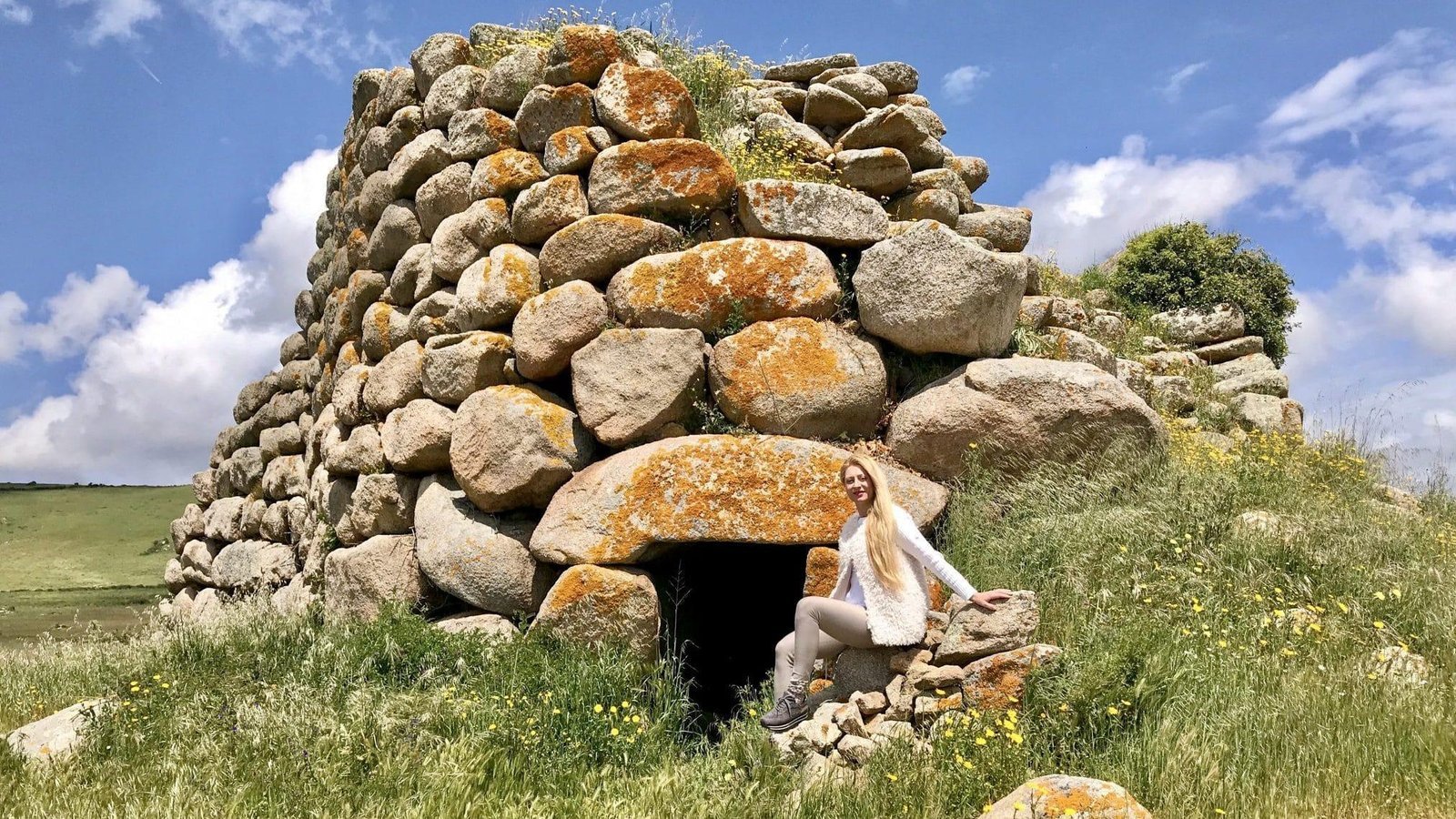
Sardinia’s Nuragic civilisation left thousands of stone towers, settlements and sacred sites. The monumental nuraghi date principally to the Bronze Age, while the Giants’ Tombs are impressive collective burial monuments. Su Nuraxi at Barumini is UNESCO-listed; in northern Sardinia, La Prisgiona and Coddu Vecchiu near Arzachena are excellent introductions. Archaeologists continue to debate aspects of Nuragic society, which makes a thoughtful guided visit much more interesting than a quick photo stop.
My advice: If you are staying near the Costa Smeralda, combine Arzachena’s archaeological sites with a winery visit in Gallura. It is an enjoyable day without a long cross-island drive.
4. Barbagia, longevity and the Sardinian Blue Zone
Inland Sardinia feels far removed from the coast. Villages around Barbagia and Ogliastra preserve distinctive languages, food traditions and strong connections to the surrounding mountains. Research into exceptional longevity made parts of the island internationally known as a Blue Zone. That does not mean a particular bread, wine or herb guarantees a long life. The more interesting story concerns historical patterns of movement, food, family and community—and how they have changed.
My advice: Spend a full day inland with a knowledgeable guide. A village visit and a meal in a family home or farmhouse can be more memorable than trying to fit another beach into your itinerary. For a closer look at the claims and the reality, read our examination of the Sardinian Blue Zone.
5. Food and wine worth travelling for
Sardinian cooking reflects its geography. Bread-making, handmade pasta, pulses, vegetables, seafood and pastoral traditions vary from village to village. Pane carasau and culurgiones are familiar names, but a family kitchen often reveals more than a restaurant menu. Wine deserves the same attention. Gallura is home to Vermentino di Gallura DOCG, while Cannonau, Carignano and other local grapes tell different stories across the island.
My advice: Choose one winery for a proper visit and lunch rather than rushing between tastings. A cooking experience in a family home is particularly rewarding when you want to understand how recipes are actually prepared.
6. Craft, festivals and a distinct cultural identity
Sardinia has its own linguistic and artistic heritage, shaped by a long history of Mediterranean contacts. Traditional textile weaving, basket-making, jewellery and ceramics remain important in different communities. Festivals such as Sassari’s Candelieri, Oristano’s Sartiglia and Mamoiada’s winter masks are rooted in local life, rather than simply staged for visitors.
My advice: Visit a working artisan’s studio when possible. Meeting the maker and understanding the technique is far more meaningful than buying a generic souvenir.
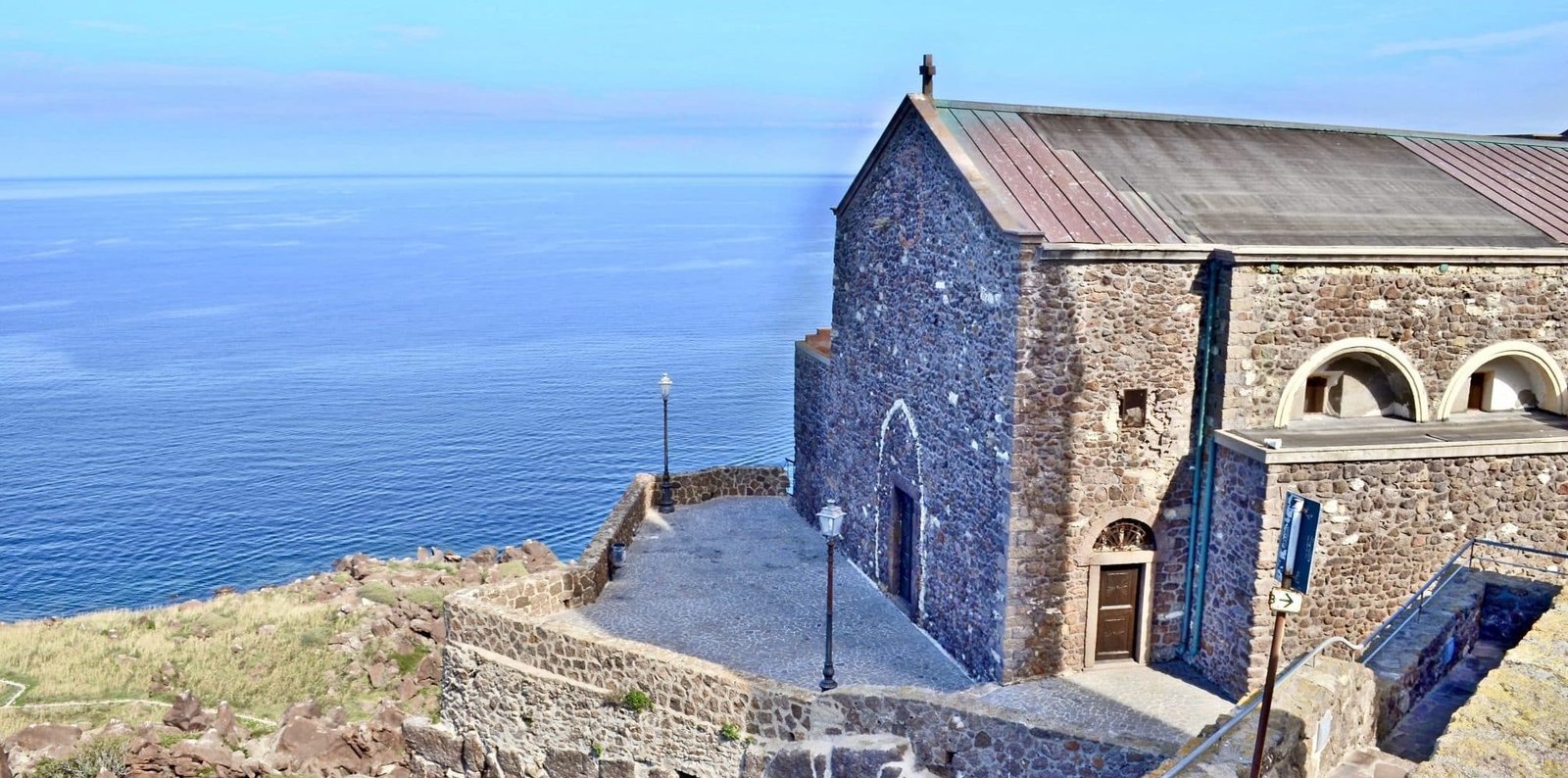
7. The interior: granite, limestone and mountain villages
The island’s landscapes are not confined to its beaches. Gallura’s granite hills and cork forests contrast with the limestone plateaus of the Supramonte and the mountains of Gennargentu. These landscapes helped shape regional traditions and are particularly appealing in spring and autumn, when walking and cultural excursions can be more comfortable than in midsummer.
My advice: Dedicate at least one day to the countryside. You do not need to cross the entire island to experience a different side of Sardinia.
8. Why combine Sardinia with Corsica?
Across the Strait of Bonifacio, southern Corsica feels both close and strikingly different. Bonifacio rises above white limestone cliffs; farther inland, the countryside around Sartène brings vineyards, stone villages and a distinctive food culture. For travellers with nine to twelve nights, northern Sardinia and southern Corsica make a compelling two-island journey.
My advice: A private boat crossing via the La Maddalena area can be a highlight, but it depends on weather and sea conditions. Always allow for an alternative transfer: the strait can be windy even on a sunny day. Explore our southern Corsica itinerary.
How many days do you need in Sardinia?
For a first journey, I usually recommend seven to ten nights, concentrating on one or two regions. Four or five nights are enough to enjoy a single base, but not to tour the island. With nine to twelve nights, combining northern Sardinia and southern Corsica becomes realistic.
- 4–5 nights: one coastal base, with a boat day and one inland experience.
- 7 nights: northern Sardinia, Gallura, archaeology, wine and time at sea.
- 9–12 nights: northern Sardinia and southern Corsica, ideally with several nights on each island.
- 14 nights: two Sardinian regions or a more extensive two-island journey.
June and September are especially appealing for combining boating with sightseeing. July and August are lively but busy, while spring and autumn suit countryside visits, walking and wine. See our month-by-month guide to the best time to visit Sardinia.
So, what makes Sardinia worth visiting?
For me, it is the contrast: a day among the islands of La Maddalena, lunch in a Gallura vineyard, a Bronze Age settlement, then a journey inland where the landscape and traditions feel entirely different. The pleasure is in how these experiences fit together, without racing from one famous stop to the next.
Plan your private Sardinia journey
At VIP Sardinia, we plan and manage complete private journeys across Sardinia and Corsica, bringing together hotels and villas, private yachts, guides, cultural visits, wine and gastronomy, transfers and practical arrangements.
Tell us your travel dates, how long you have and what interests you most. We will suggest a journey that makes good use of your time. Plan your private journey.
Natalia Vlaskina · Founder, VIP Sardinia / Visit Sardinia®
Frequently asked questions
What is Sardinia best known for?
Its beaches and clear sea, Costa Smeralda, La Maddalena Archipelago, Nuragic archaeology, distinctive food and wine, and the Blue Zone communities associated with exceptional longevity.
Is Sardinia different from mainland Italy?
Yes. Its geography, history, languages and local traditions give Sardinia a distinct cultural identity.
What is the most beautiful part of Sardinia?
It depends on your interests. The northeast excels for boating and coastal hotels; the Gulf of Orosei for limestone scenery; Barbagia for mountain culture; and the south for long beaches.
Is Sardinia worth visiting for a luxury holiday?
Yes, particularly when a beautiful coastal stay is combined with private boating, wine, archaeology and experiences inland. The northeast offers an especially strong range of high-end accommodation and services.